5 Advantages of Using a Thermal Printer
12/21/20255 min read
Speed and Efficiency
Thermal printers are widely recognized for their remarkable speed and efficiency in the printing landscape. Unlike traditional inkjet or laser printers, which may require significant time for print heads to move and complete each print cycle, thermal printers utilize a distinct mechanism that significantly accelerates the printing process. They employ heat-sensitive media to produce high-quality prints, allowing users to generate documents in a matter of seconds. This attribute is particularly advantageous in fast-paced environments such as retail or logistics where immediate printouts are essential.
The operational efficiency of thermal printers reduces overall print time, which not only enhances productivity but also alleviates delays in customer service. For instance, in a retail setting, customers can quickly receive their receipts upon purchase, minimizing waiting times and improving their overall experience. Moreover, this rapid output is critical in logistics where labeling and tagging items promptly can streamline operations and prevent bottlenecks.
Additionally, the efficiency offered by thermal printers contributes to their cost-effectiveness. With fewer moving parts and a simpler design compared to traditional printers, thermal printers typically require less maintenance and fewer resources, resulting in lower operational costs. As a result, businesses can focus more on their core activities rather than being encumbered by printer malfunctions or slow printing processes.
In summary, the speed and efficiency of thermal printers position them as ideal printing solutions for environments that demand quick turnaround times. Their ability to produce high-quality prints rapidly not only enhances productivity but also fosters improved customer satisfaction through reduced waiting times.
Cost-Effectiveness
When evaluating printing solutions, cost-effectiveness is a critical factor for businesses and individuals alike. Thermal printers have emerged as a leader in this area, offering significant savings when compared to traditional printing methods. One of the standout features of these devices is the lack of consumable materials such as ink and toner, which are often substantial ongoing costs for regular printers. By utilizing heat-sensitive paper, thermal printers eliminate the need for expensive ink cartridges, resulting in lower operational expenses.
Moreover, the longevity of thermal print heads further contributes to the overall cost efficiency. Unlike laser or inkjet printers that may require frequent replacement of print heads due to wear and tear, thermal print heads typically have an extended lifespan. This durability not only reduces the frequency of replacements but also enhances the value of investing in a thermal printer, as users can expect consistent performance over time.
In addition to consumable cost savings and extended print head longevity, thermal printers require significantly less maintenance. Traditional printers can entail complicated upkeep processes, including routine cleanings and alignment checks. Conversely, thermal printers are generally more straightforward, often requiring minimal maintenance. This ease of use translates to less downtime and lower labor costs associated with printer upkeep.
Overall, the cost-effectiveness of thermal printers makes them an appealing option for businesses of all sizes. By eliminating ink costs, extending the lifespan of print heads, and reducing maintenance requirements, users can enjoy substantial financial savings while maintaining high-quality printing capabilities. As businesses seek to streamline operations and cut unnecessary expenses, thermal printers offer a practical solution that can lead to improved budget management and enhanced profitability.
Compact and Space-Saving Design
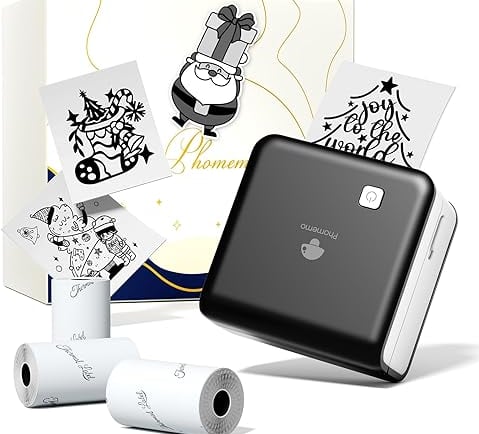
One of the notable advantages of thermal printers is their compact and space-saving design, which makes them a favorable option for various environments. Traditional printers tend to be larger and bulkier, often requiring considerable desk space. In contrast, thermal printers are engineered to be lightweight and small, allowing them to fit into tight workspaces without sacrificing functionality.
This design feature is particularly beneficial in retail settings, where counter space is at a premium. Retail environments benefit from the easy integration of thermal printers for receipt printing while maintaining an organized and efficient checkout process. Because of their smaller footprint, these printers can seamlessly fit into point-of-sale systems, enhancing overall customer service without creating clutter.
Furthermore, mobile applications and fieldwork scenarios also showcase the advantages of thermal printers' compact nature. Professionals in transportation, logistics, and even healthcare can utilize portable thermal printers to create shipping labels, tickets, or patient wristbands while on the move. The ability to print documents directly at the point of service not only saves time but also eliminates unnecessary trips back to a central printing location.
The compact size of thermal printers enables better management of office space. In environments like small home offices or shared workspaces, the reduced footprint allows for a more organized setup and can even improve productivity by keeping essential tools within easy reach. Thus, the design of thermal printers stands out as a key factor that supports fluid workflows in a variety of settings.
Versatility of Applications
Thermal printers have gained popularity across various industries due to their remarkable versatility and ability to adapt to different printing needs. One of the most common applications of thermal printing technology is in the retail sector, where it is primarily used for printing receipts and labels. Retailers benefit from the speed and efficiency of thermal printers, ensuring that customers experience quick service, especially during peak shopping periods.
In the healthcare industry, thermal printers are essential for printing patient wristbands, medication labels, and other critical documentation. These printers allow for the clear and durable printing of essential information, which is vital for patient safety and proper healthcare management. The hospitals and clinics rely on the precision and reliability of thermal printers to maintain the quality of their services.
Manufacturing is another sector that sees extensive use of thermal printers, particularly for producing product labels, barcodes, and shipping documents. By employing thermal printing technology, manufacturers can ensure accurate and efficient labeling, which enhances their supply chain operations and inventory management processes. The ability to create long-lasting labels that withstand various environmental conditions makes them ideal for this sector.
Transportation and logistics also take advantage of thermal printers to produce shipping labels and tracking barcodes. With the need for quick and accurate dissemination of information, thermal printers facilitate the smooth flow of goods and provide logistical support to freight and delivery companies. The versatility of thermal printing extends to ticketing in the entertainment and transportation industries, where tickets can be printed on-site, ensuring convenience and efficiency.
Overall, the adaptability of thermal printers in different environments and their capability to handle a diverse range of applications underline their significance in various industries. This makes them an invaluable tool for businesses aiming to streamline their operations and enhance customer satisfaction.
High-Quality Output
One of the most significant advantages of using thermal printers is their ability to produce high-quality output. Regardless of the application, be it barcode printing, label creation, or receipt generation, thermal printers stand out for their precision and clarity. This feature is paramount in industries where accuracy and visibility of text and images are crucial, such as retail, logistics, and healthcare.
Thermal printing technologies are primarily categorized into direct thermal and thermal transfer methods, each influencing the print quality significantly. Direct thermal printers utilize heat-sensitive paper that darkens when subjected to heat from the printer's print head. This results in sharp and clean prints ideal for short-term applications like shipping labels and ticketing, where durability is not a key factor.
On the other hand, thermal transfer printers employ a different process that involves melting a ribbon to transfer ink onto the medium. This method is particularly advantageous for producing more durable and weather-resistant prints. The outputs from thermal transfer printers tend to exhibit excellent sharpness and longevity, making them suitable for labels that require extended use, such as product identification in outdoor environments.
Both technologies yield superior image and text quality compared to many standard inkjet and laser printers, especially in producing fine details and small fonts. The seamless reproduction of barcodes is another critical benefit, as thermal printers can create clear, scannable barcodes that improve efficiency in inventory and sales operations. Consequently, businesses that prioritize print quality will find thermal printers to be a highly effective choice for their printing needs, ensuring they maintain standards and enhance operational workflows.