Thermal vs Inkjet Printers: Which One is Right for You?
12/25/20254 min read

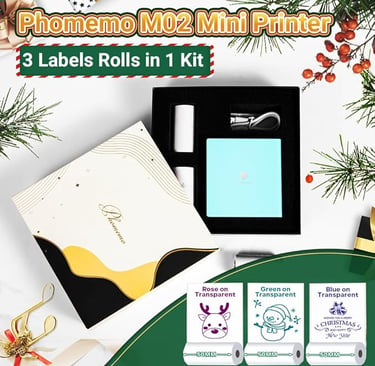
Introduction to Printers
Printers are essential devices used for producing physical copies of digital documents, offering a range of technologies that cater to different printing needs. Among these technologies, thermal and inkjet printing stand out due to their unique mechanisms and applications.
Thermal printers operate using heat to transfer ink onto paper. They employ two primary methods: direct thermal printing and thermal transfer printing. Direct thermal printers print on specially coated thermal paper, where heat creates the desired image. This method is commonly used for printing labels, receipts, and barcodes in various environments, such as retail and healthcare. On the other hand, thermal transfer printers utilize a ribbon that melts onto the paper to create images, making them suitable for producing high-quality labels that require durability and resistance to elements like moisture or fading.
In contrast, inkjet printers function by spraying tiny droplets of liquid ink onto paper through microscopic nozzles. This technology allows for high-resolution prints with rich colors and is particularly effective for photo printing and documents that require intricate detail. Inkjet printers cater to home and office environments where a wide range of media types, including paper, photo paper, and even specialty materials, can be used. They generally excel at producing vibrant images but may require regular maintenance to prevent clogging of the nozzles.
In summary, the choice between thermal and inkjet printers ultimately depends on the intended application. Thermal printers are ideal for fast and efficient label and receipt printing, while inkjet printers are well-suited for producing high-quality images and versatile document printing. Understanding these differences can help consumers and businesses make informed decisions based on their specific printing needs.
Advantages and Disadvantages of Thermal Printers
Thermal printers have gained popularity due to several key advantages. One of the primary benefits is their cost-effectiveness. Unlike traditional inkjet printers, thermal printers do not require ink cartridges; they use heat to transfer ink from a ribbon or create print directly on thermal media. This can lead to significant savings in operational costs over time, particularly for businesses that frequently print.
Speed is another advantage that thermal printers bring to the table. They can produce prints quickly, making them ideal for environments where time is of the essence, such as shipping and logistics. Whether for printing shipping labels or receipts, thermal printers can efficiently handle high-volume tasks. Furthermore, the print quality of thermal printers is often consistent for black-and-white images, which is vital for clear barcodes and text that require scanning.
However, thermal printers also have their drawbacks. One notable limitation is their inability to print in color, which can restrict their use in settings that require colorful graphics or images. Additionally, thermal printers typically work with specific media types, primarily thermal paper and labels. This restricted media versatility can limit their applicability compared to inkjet printers, which can print on a broader range of materials.
Maintenance for thermal printers tends to be minimal since there are fewer moving parts than in inkjet models; however, users must still be cautious about keeping the thermal print head clean to avoid print quality degradation. In summary, while thermal printers offer notable advantages in cost and efficiency for specific applications, they may not suit every printing need, particularly where color output and diverse media types are concerned.
Advantages and Disadvantages of Inkjet Printers
Inkjet printers are widely recognized for their ability to deliver high-quality prints, particularly when it comes to images and photographs. One of the most significant advantages of these printers is their exceptional color accuracy and detail, allowing users to produce vibrant, professional-quality outputs. Furthermore, inkjet technology offers excellent versatility, as these printers can accommodate various media types, including glossy photo paper, envelopes, and even T-shirts. This versatility makes them ideal for both home and small business use.
However, inkjet printers are not without their drawbacks. A notable disadvantage is the recurring cost associated with ink cartridges; while these printers themselves can be relatively inexpensive, the replacement ink can quickly accumulate in cost, especially for frequent users. Users must also be aware that the longevity of inkjet prints can vary based on the type of ink used and the paper selected. While higher-quality ink and paper can yield impressive results, prints may fade over time if not properly cared for.
Maintenance is another aspect that potential inkjet printer owners should consider. Inkjet printers can suffer from issues such as clogging of the print heads, particularly if they are not used regularly. This can lead to additional costs and effort to clean the printer or replace damaged components. Moreover, while newer models are designed to mitigate some of these problems, the need for ongoing maintenance can be a point of frustration for users looking for a hassle-free experience.
In conclusion, while inkjet printers excel in print quality and versatility, prospective buyers should weigh these advantages against the ongoing costs of ink cartridges and the necessary maintenance required to ensure optimal performance.
Making the Right Choice: Thermal vs Inkjet
Choosing between thermal and inkjet printers involves examining multiple factors related to your specific printing needs. One of the primary considerations is the volume of prints you intend to produce. Thermal printers are known for their high-speed printing capabilities and are ideal for environments where large quantities of labels, receipts, or tickets are needed. In contrast, if your requirements involve occasional document printing, an inkjet printer may be more suitable, offering flexibility and versatility for both color and monochrome printing.
Next, consider the types of documents you will be printing. Thermal printers excel in producing high-quality labels and barcodes, making them an excellent choice for retail and logistics sectors. If your printing tasks include photos, graphics, or documents requiring precise color detail, an inkjet printer is often favorable. Inkjet printers use liquid ink, which provides a vast color spectrum and sharp details, obtained in various formats like glossy photo papers.
Budget is another essential factor to take into account. While thermal printers generally have lower operational costs due to the absence of ink cartridges (using thermal labels instead), their initial purchase price can vary significantly based on the model and features. On the other hand, inkjet printers are often more affordable upfront but can incur higher costs over time due to ink replacements. Thus, understanding your long-term printing budget is crucial.
Finally, specific use cases can heavily influence your decision. For instance, businesses focusing on label printing or point-of-sale operations may find thermal printers best suited for their workflows. In contrast, home users or companies requiring high-quality image printing may gravitate towards inkjet options. By assessing these criteria carefully, you can make a well-informed decision that aligns with your printing needs.